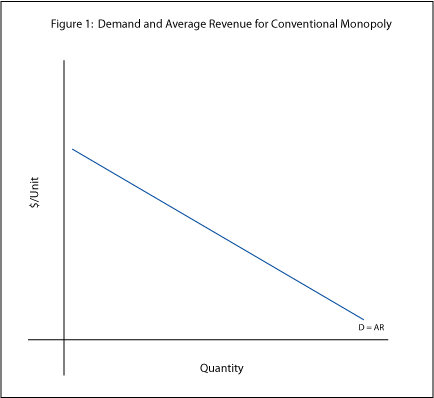
When economists draw graphs to describe monopolies, they typically represent both average revenue (i.e., price) and aggregate demand with a single line. Why? Because they assume that, by dint of revealed preference theory, sales of a good reveal the demand for it, and that a monopolist, by definition, alone satisfies the demand for a particular good. See figure one, below.
I question, though, whether that sort of graph does an adequate job of describing the sorts of monopolies protected by copyrights and patents. Because the law does not protect them perfectly, those sorts of “intellectual privilege” (the term I advocate in lieu of “intellectual property”) suffer unremunerated uses. Some such uses happen through infringement, such as street corner sales of pirated DVDs. Others happen by dint of special legislative exceptions, such as the unlicensed public performances of musical works allowed to certain small commercial retail establishments.


 The Technology Liberation Front is the tech policy blog dedicated to keeping politicians' hands off the 'net and everything else related to technology.