 I’ve just finished reading Blown to Bits: Your Life, Liberty, and Happiness After the Digital Explosion, by Hal Abelson, Ken Ledeen, and Harry Lewis, and it’s another title worth adding to your tech policy reading list. The authors survey a broad swath of tech policy territory — privacy, search, encryption, free speech, copyright, spectrum policy — and provide the reader with a wonderful history and technology primer on each topic.
I like the approach and tone they use throughout the book. It is certainly something more than “Internet Policy for Dummies.” It’s more like “Internet Policy for the Educated Layman”: a nice mix of background, policy, and advice. I think Ray Lodato’s Slashdot review gets it generally right in noting that, “Each chapter will alternatively interest you and leave you appalled (and perhaps a little frightened). You will be given the insight to protect yourself a little better, and it provides background for intelligent discussions about the legalities that impact our use of technology.”
Abelson, Ledeen, and Lewis aren’t really seeking to be polemical in this book by advancing a single thesis or worldview. To the extent the book’s chapters are guided by any central theme, it comes in the form of the “two basic morals about technology” they outline in Chapter 1:
The first is that information technology is inherently neither good nor bad — it can be used for good or ill, to free us or to shackle us. Second, new technology brings social change, and change comes with both risks and opportunities. All of us, and all of our public agencies and private institutions, have a say in whether technology will be used for good or ill and whether we will fall prey to its risks or prosper from the opportunities it creates. (p. 14)
Mostly, what they aim to show is that digital technology is reshaping society and, whether we like or it not, we better get used to it — and quick! “The digital explosion is changing the world as much as printing once did — and some of the changes are catching us unaware, blowing to bits our assumptions about the way the world works… The explosion, and the social disruption that it will create, have barely begun.” (p 3)
In that sense, most chapters discuss how technology and technological change can be both a blessing and a curse, but the authors are generally more optimistic than pessimistic about the impact of the Net and digital technology on our society. What follows is a quick summary of some of the major issues covered in Blown to Bits.

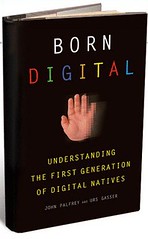
 I’ve been re-reading Nicholas Negroponte’s brilliant and extraordinarily prescient 1995 book
  The Technology Liberation Front is the tech policy blog dedicated to keeping politicians' hands off the 'net and everything else related to technology.
