So, the GAO recently released a report on the wireless industry and found that:
The biggest changes in the wireless industry since 2000 have been consolidation among wireless carriers and increased use of wireless services by consumers. Industry consolidation has made it more difficult for small and regional carriers to be competitive. Difficulties for these carriers include securing subscribers, making network investments, and offering the latest wireless phones necessary to compete in this dynamic industry. Nevertheless, consumers have also seen benefits, such as generally lower prices, which are approximately 50 percent less than 1999 prices, and better coverage.
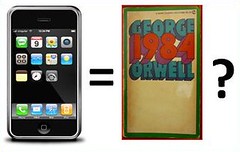
Now, if you are a self-described “consumer advocate,” I would hope the bottom line here is pretty straightforward and refreshing: Prices fell by 50% in 10 years. That alone is an amazing success story. But that’s not the end of the story. The more important fact is that prices fell by that much while innovation in this sector was also flourishing. Do you remember the phone you carried in your pocket — if you could fit it in your pocket at all — ten years ago? It was a pretty rudimentary device. It made calls and… well… it made calls. Now, think about the mini-computer that sits in your pocket right now. Stunning little piece of kit. It can text. It can do email. It can get Internet access. You can Twitter on it. Oh, and you can still make calls on it (but who wants to do that anymore!)
The point is, this is a great American capitalist success story that everyone — especially “consumer advocates” — should be celebrating. So, what does Public Knowledge president Gigi Sohn have to say?
“These trends do not bode well for consumers, despite any benefits of the moment,” she told Ars Technica.
Wait, what? Continue reading →


 The Technology Liberation Front is the tech policy blog dedicated to keeping politicians' hands off the 'net and everything else related to technology.