I’ve written before about my dislike of “the cloud.”
The term implies that there aren’t specific actors doing specific things with data, which will tend to weaken people’s impression that they have rights and obligations when using or providing cloud services. We’re talking privacy problems.
When “cloud” services fail, the results can be widespread and significant. Think of cloud computing as a sibling of security monoculture.
TechDirt’s indefatigable Mike Masnick reminds us of this with a tweet today about hiccups in Google Calendar that may have prevented him getting on a conference call. He’s written once or twice about the cloud in terms of legal/discovery issues, privacy issues, and business/regulatory hurdles.
Remote computing is not going away, but it’s a fad that should fade over time. I think I hit the right notes in an earlier post where I said:
There will always be a place for remote storage and services—indeed, they will remain an important part of the mix—but I think that everyone should ultimately have their own storage and servers. (Hey, we did it with PCs! Why not?) Our thoroughly distributed computing, storage, and processing infrastructure should be backed up to—well, not the cloud—to specific, identifiable, legally liable and responsible service providers.
I hate the term “cloud computing” because it denies the duties and responsibilities of network operators and software and database managers.
It’s like a George Carlin bit: “I didn’t breach the data. The cloud did it! It was out in the cloud! How did the government get my private data? It got it from the cloud. The cloud gave the government the data . . . .”
 I just finished reading through The Economist’s new 14-page special report on cloud computing, “Let It Rise” in which Ludwig Siegele provides an outstanding overview of cloud computing and why it is so important:
The rise of the cloud is more than just another platform shift that gets geeks excited. It will undoubtedly transform the information technology (IT) industry, but it will also profoundly change the way people work and companies operate. It will allow digital technology to penetrate every nook and cranny of the economy and of society, creating some tricky political problems along the way.
Even if you are very familiar with cloud computing, I recommend you take a look at the article. Anyway, while I was reading it, I was unsurprised to come across some comments from Nicholas Carr, whose new book
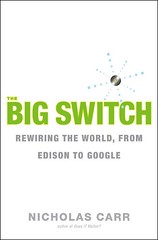
The Big Switch: Rewiring the World, from Edison to Google, is essentially an early history of cloud computing and an investigation into its effects on our economy, culture, and society. And that also reminded me that, even though I have mentioned Carr’s book here several times since it was released earlier this year, I have failed to give it a dedicated review. And it certain deserves one because “The Big Switch” is easily one of the most important technology policy books of 2008.
Continue reading →

 The Technology Liberation Front is the tech policy blog dedicated to keeping politicians' hands off the 'net and everything else related to technology.