 I spend a lot of time here trying to debunk media “moral panics,” “techno-panics,” or unfounded hysteria over the impact of commercialism in general on kids. To believe what some politicians and regulatory agitators have to say, today’s youth always seem at the precipice of the moral abyss. Our misguided youth are seemingly all going straight to hell and they dragging our culture and society down with them.
Except they’re not. It’s all the same old tripe we’ve heard one generation after another. As the late University of North Carolina journalism professor Margaret A. Blanchard once noted: “[P]arents and grandparents who lead the efforts to cleanse today’s society seem to forget that they survived alleged attacks on their morals by different media when they were children. Each generation’s adults either lose faith in the ability of their young people to do the same or they become convinced that the dangers facing the new generation are much more substantial than the ones they faced as children.” And Thomas Hine, author of The Rise and Fall of the American Teenager, argues that: “We seem to have moved, without skipping a beat, from blaming our parents for the ills of society to blaming our children. We want them to embody virtues we only rarely practice. We want them to eschew habits we’ve never managed to break.”
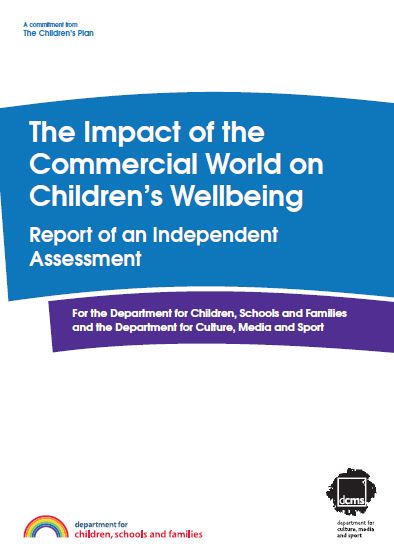
Anyway, I was reminded of this again today as I was finally reading through a report published last year by the U.K.’s Department for Children, Schools and Families and the Department for Culture, Media and Sport. It’s entitled “The Impact of the Commercial World on Children’s Wellbeing” and it is very much worth your attention. Several people had recommended I check it out in recent months, but I’m ashamed to say I am only now getting around to it as I prepare an amicus brief for the Supreme Court’s review of a California video game law. But this U.K. report is not to be missed. Here are a few of the choice bits from the study: Continue reading →


 The Technology Liberation Front is the tech policy blog dedicated to keeping politicians' hands off the 'net and everything else related to technology.