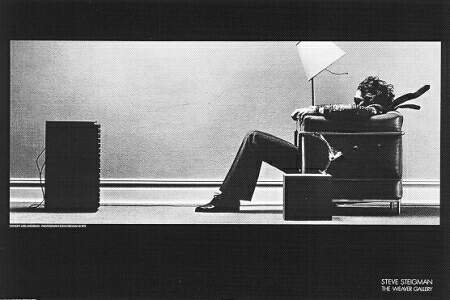
 When the government tells someone to shut up, we call it censorship and the First Amendment requires the government to defend its regulation. But what if the government just says, “Shhhh… could you please turn that down?” Rep. Anna Eshoo’s Commercial Advertisement Loudness Mitigation Act (“CALM Act” – HR 1084) would do just that: require the FCC to issue rules that broadcast and cable TV ads:
(1) … shall not be excessively noisy or strident; (2) … shall not be presented at modulation levels substantially higher than the program material that such advertisements accompany; and (3) [their] average maximum loudness… shall not be substantially higher than the average maximum loudness of the program material that such advertisements accompany.
Now, I understand where Ms. Eshoo is coming from: I have a very low tolerance for noise in general and for television in particular—and it’s not just about commercials. (I find TV news at least as “noisy” and “strident” as commercials. That’s why I opted-out from the whole TV thing in about 2000. Yup, that’s right: I found better things to do with my time and the supposedly all-powerful “gatekeepers” of Hollywood couldn’t do a damn thing about it. You should try it if you don’t like what’s on TV! To paraphrase Voltaire, “I disapprove of what you say watch, but I will defend to the death your right to say watch it! You can get most of what’s worth watching on DVD or online anyway.) But do we really need bureaucrats in Washington micromanaging volume levels? Maybe Congressmen would have a little more time to read the bills they vote for if they they weren’t so busy fiddling with everyone else’s remote!
Eshoo’s bill has passed the House Energy & Commerce Committee’s Communications Subcommittee just as the TV industry is completing work on voluntary standards of their own. That’s one “less restrictive” alternative to regulation. What about technological empowerment? If Americans really hate loud commercials so much, why don’t they demand TVs with built-in volume normalization features? But this bill isn’t merely unnecessary, it would also set a disturbing precedent in at least six ways.

 The Technology Liberation Front is the tech policy blog dedicated to keeping politicians' hands off the 'net and everything else related to technology.