Here’s the first of two essays I’ve recently penned making “The Case for Internet Optimism.” This essay was included in the book, The Next Digital Decade: Essays on the Future of the Internet (2011), which was edited by Berin Szoka and Adam Marcus of TechFreedom. In these essays, I identify two schools of Internet pessimism: (1) “Net Skeptics,” who are pessimistic about the Internet improving the lot of mankind; and (2) “Net Lovers,” who appreciate the benefits the Net brings society but who fear those benefits are disappearing, or that the Net or openness are dying. (Regular readers of this blog will be familiar with these themes since I sketched them out in previous essays here such as, “Are You an Internet Optimist or Pessimist?” and “Two Schools of Internet Pessimism.”) The second essay is here.
This essay focuses on the first variant of Internet pessimism, which is rooted in general skepticism about the supposed benefits of cyberspace, digital technologies, and information abundance. The proponents of this pessimistic view often wax nostalgic about some supposed “good ‘ol days” when life was much better (although they can’t seem to agree when those were). At a minimum, they want us to slow down and think twice about life in the Information Age and how it’s personally affecting each of us. Occasionally, however, this pessimism borders on neo-Ludditism, with some proponents recommending steps to curtail what they feel is the destructive impact of the Net or digital technologies on culture or the economy. I identify the leading exponents of this view of Internet pessimism and their major works. I trace their technological pessimism back to Plato but argue that their pessimism is largely unwarranted. Humans are more resilient than pessimists care to admit and we learn how to adapt to technological change and assimilate new tools into our lives over time. Moreover, were we really better off in the scarcity era when we were collectively suffering from information poverty? Generally speaking, despite the challenges it presents society, information abundance is a better dilemma to be facing than information poverty. Nonetheless, I argue, we should not underestimate or belittle the disruptive impacts associated with the Information Revolution. But we need to find ways to better cope with turbulent change in a dynamist fashion instead of attempting to roll back the clock on progress or recapture “the good ‘ol days,” which actually weren’t all that good.
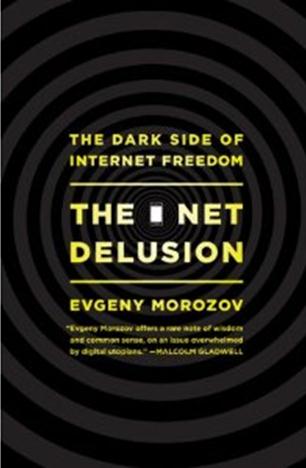
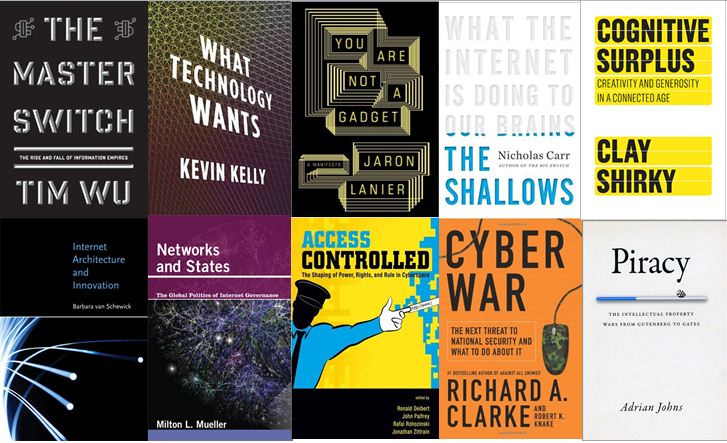
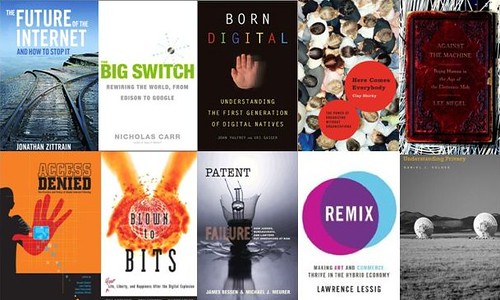
Down below, I have embedded the entire chapter in a Scribd reader, but the essay can also be found on the TechFreedom website for the book as well as on SSRN. I have also includes two updated tables that appeared in my old “optimists vs. pessimists” essay. The first lists some of the leading Internet optimists and pessimists and their books. The second table outlines some of the major lines of disagreement between these two camps and I divided those disagreements into (1) Cultural / Social beliefs vs. (2) Economic / Business beliefs.

 The Technology Liberation Front is the tech policy blog dedicated to keeping politicians' hands off the 'net and everything else related to technology.